
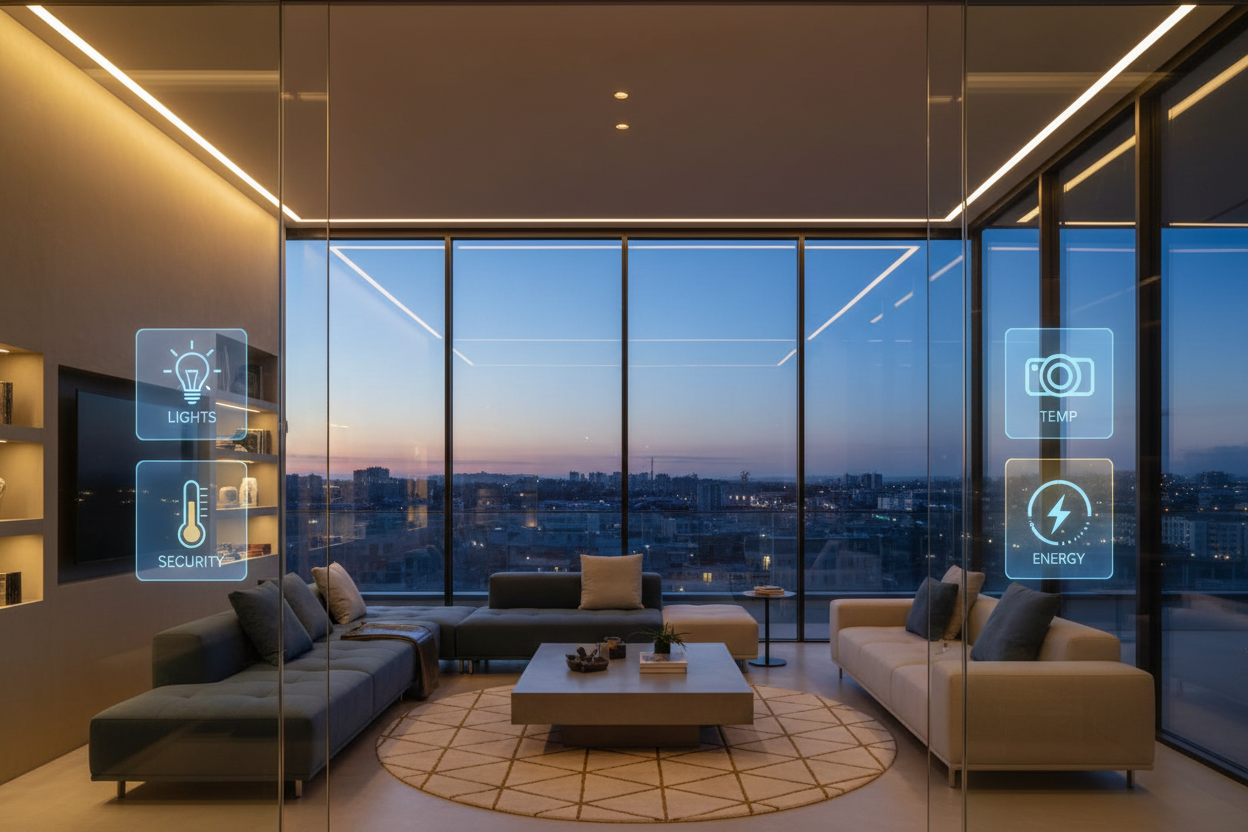
The Future of Smart Home Devices: Smarter, Safer, and More Connected Living
Smart home technology has moved far beyond voice-controlled lights and app-connected thermostats. Today’s devices are becoming more intelligent, more energy-efficient, and better able to work together. As homes evolve into connected ecosystems, smart technology is set to make everyday living more convenient, secure, and personalized.
One of the biggest changes ahead is improved interoperability. In the past, smart home products from different brands often required separate apps and complicated setup processes. Newer standards are helping devices communicate more smoothly, allowing homeowners to control lighting, locks, appliances, sensors, and entertainment systems from one central platform. This will make smart homes easier to use for everyone—not just tech enthusiasts.
Artificial intelligence will also play a major role. Future devices will not simply follow commands; they will learn household routines and respond proactively. A smart thermostat may recognize when residents usually leave for work and automatically reduce energy use. Lighting systems could adjust brightness and color temperature based on the time of day, while kitchen appliances may suggest recipes based on available ingredients and dietary preferences.
Home security is another area where innovation is accelerating. Smart cameras, video doorbells, motion sensors, and locks are becoming more accurate and responsive. AI-powered systems can help distinguish between a family member, a delivery driver, a pet, and an unfamiliar visitor. In the future, security devices may work together to detect unusual activity and send meaningful alerts rather than overwhelming homeowners with constant notifications.
Energy management is likely to become one of the most valuable benefits of smart home technology. As electricity costs and environmental concerns rise, households will look for better ways to monitor and reduce consumption. Smart meters, connected appliances, solar systems, and home batteries can help people understand where energy is being used and make automatic adjustments. For example, devices may run during lower-cost energy periods or reduce usage during peak demand.
Health and accessibility will also shape the next generation of smart homes. Connected sensors can support older adults and people with disabilities by monitoring movement, detecting falls, reminding users to take medication, or making essential household controls easier to access. These tools have the potential to help people live independently for longer while providing reassurance to family members and caregivers.
Of course, greater connectivity brings important privacy and security considerations. Smart home manufacturers will need to prioritize strong encryption, transparent data policies, regular software updates, and simple privacy controls. Homeowners should also take responsibility by using strong passwords, enabling multi-factor authentication where available, and keeping their devices updated.
The future smart home will not be defined by how many gadgets it contains. Instead, it will be defined by how naturally technology supports the people living there. As devices become more connected, adaptive, and secure, smart homes will increasingly help create spaces that are comfortable, efficient, and responsive to everyday life


